




Noticias UPS | Actualidad Universidad Politécnica Salesiana
UPS professors attended "Training in Data Science and Data Management" in Belgium
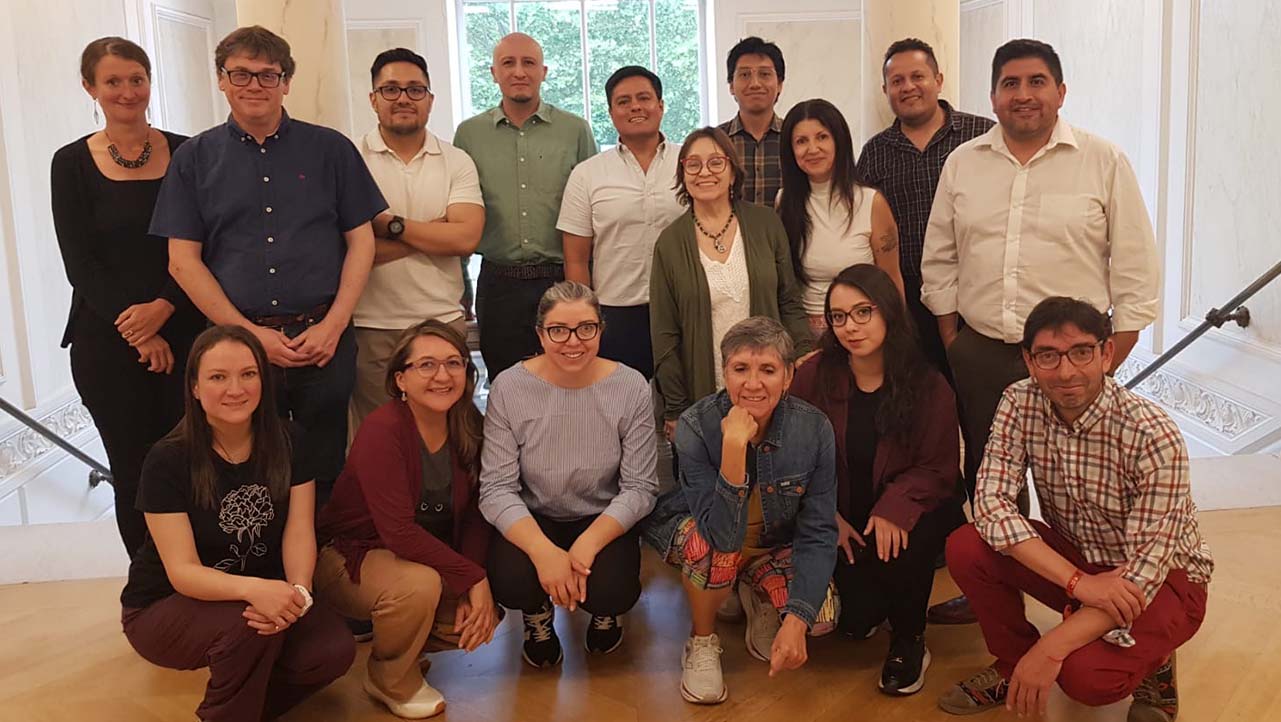
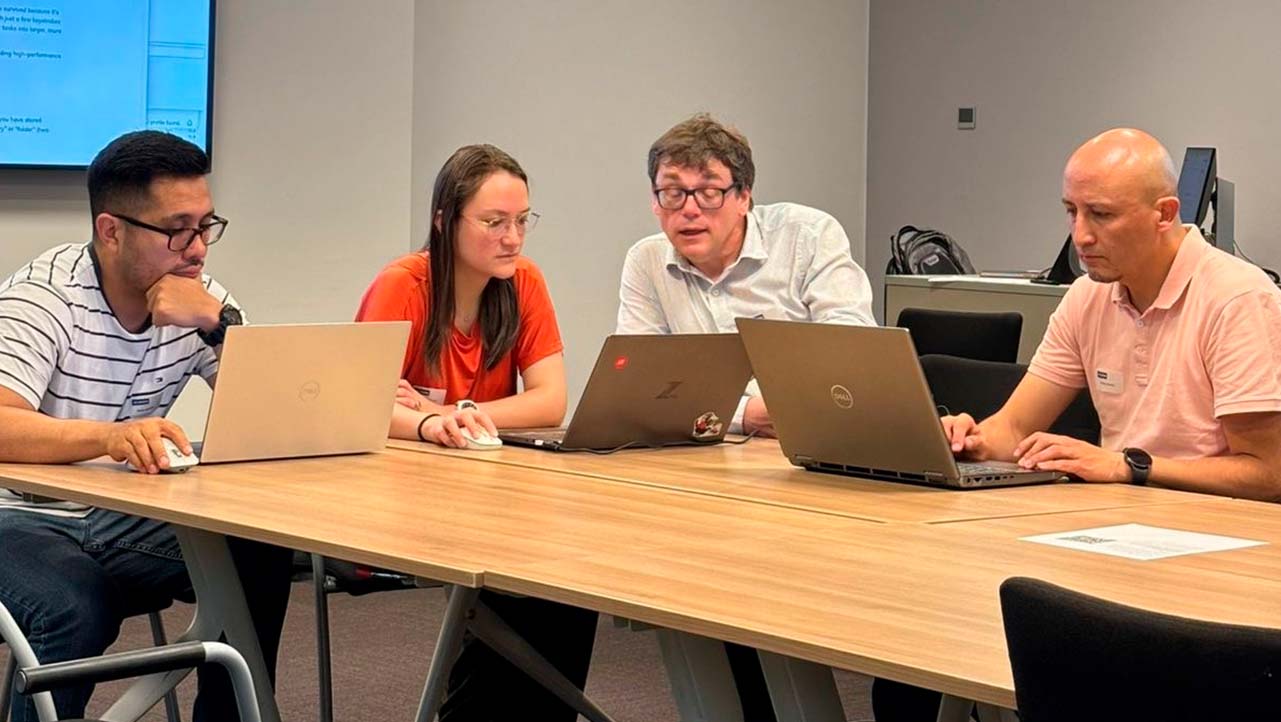
Universidad Politecnica Salesiana was part of a select group of six Ecuadorian universities that took part in the international project "Training in Data Science and Data Management," a project funded by cooperación interuniversitaria flamenca (Vlir-UOS) as part of the International Training Programs.
The project includes Universidad Nacional de Loja (UNL), Escuela Politécnica de Chimborazo (ESPOCH), Universidad Central del Ecuador (UCE), Universidad Católica Santiago de Guayaquil (UCSG), Universidad Católica de Cuenca (UCATOCUE), Universidad Andina Simón Bolívar (UASB), and Universidad Politecnica Salesiana (UPS). The aim is to democratize access to science and promote responsible data management in academia.
German Arevalo, vice president of our branch campus in Quito; and professor Dario Jaramillo attended on behalf of UPS. Both participated in CODATA – RDA School of Research Data Science 2025, held at KU Leuven (Belgium), where they received training in open science methodologies, ethical data management, and advanced tools for reproducible analysis.
For German Arévalo, our university’s participation in this program "is fundamental because it allows us to have strong ties with high-level national and international institutions, which provides research opportunities, and also allows us to replicate what has been learned for the benefit of the Ecuadorian university system."
He explained that, although data science has applications in multiple disciplines, this course placed special emphasis on its use in social sciences, a field where these tools have been incorporated less frequently. In his opinion, the methodologies and technologies presented in Belgium "demonstrated great potential to strengthen research and analysis in areas where their application has been limited, providing new possibilities for interdisciplinary projects with high social impact."
Professor Jaramillo described the training sessions as "deeply transformative," not only due to the access to cutting-edge methodologies and tools, but also because of the interdisciplinary and international environment in which it was developed. Some of the skills they acquired are the use of Python for creating reproducible and accessible labs for students, the use of Git and GitHub for collaborative projects and theses, and the application of FAIR principles to ensure data is discoverable, accessible, interoperable, and reusable.
He stressed that this knowledge is essential for teaching students to have solid ethical and technical perspective, capable of working in collaborative environments and complying with international research standards. "These tools strengthen the comprehensive education of our students and allow us to raise the standard of our research, while also encouraging an institutional culture of openness and responsibility in data management," he stated.
The program is carried out in three phases: a first phase of intensive training in Belgium; a second phase of replication through training schools at each participating university; and a third phase focused on designing a specialized curriculum that integrates data science and open science into academic education.
In the words of Germán Arévalo, open science "is a movement that makes knowledge accessible, replicable, and effectively disseminated, enhancing collaboration and social impact of research."
UPS is committed to innovation, inter-institutional cooperation, and education of a university community capable of facing the ethical, technical, and social challenges of research in the 21st century.
Noticias Relacionadas
Noticias Relacionadas


Follow us
Follow us