




Meeting for the 2025 EPSULA project promotes cultural diversity and sustainability
Meeting for the 2025 EPSULA project promotes cultural diversity and sustainability
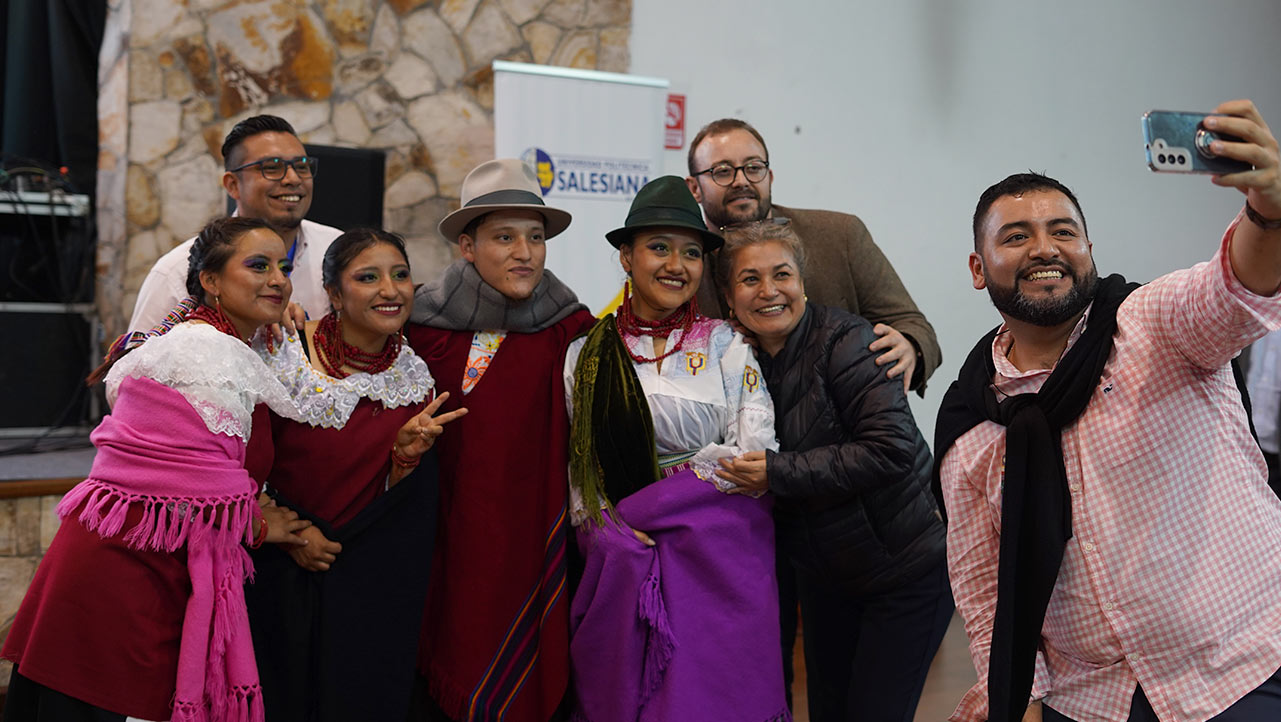
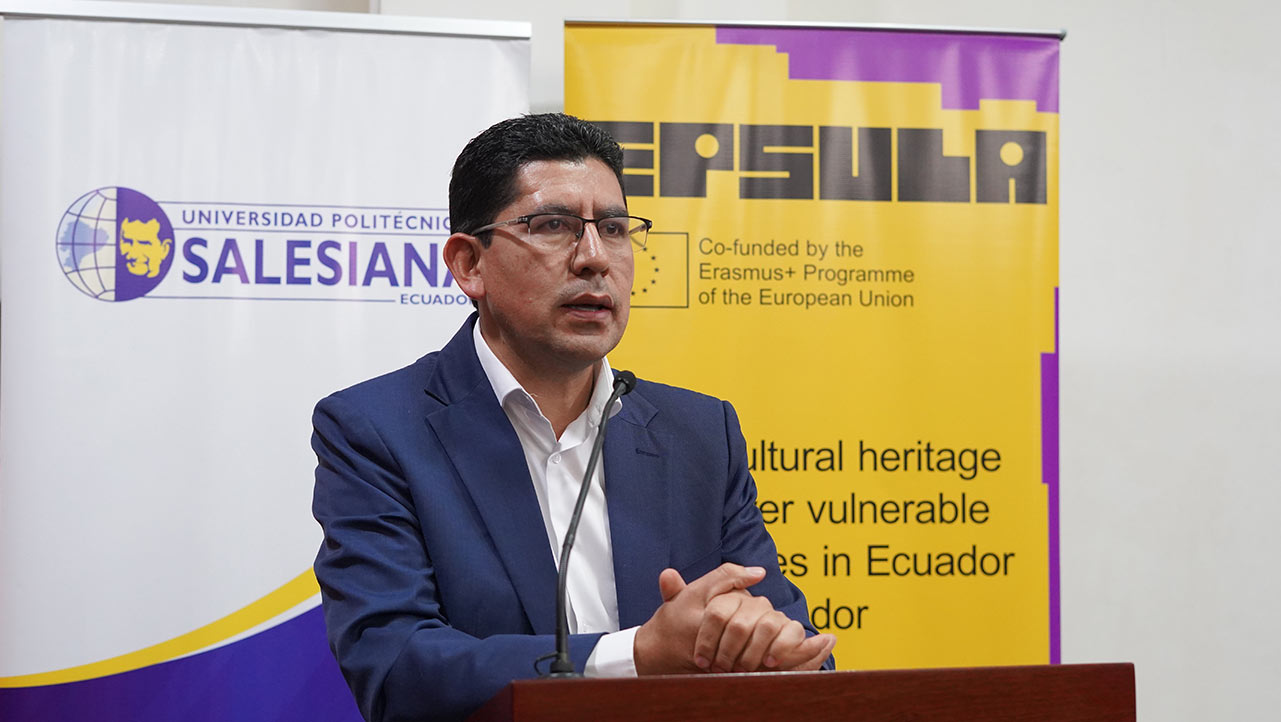
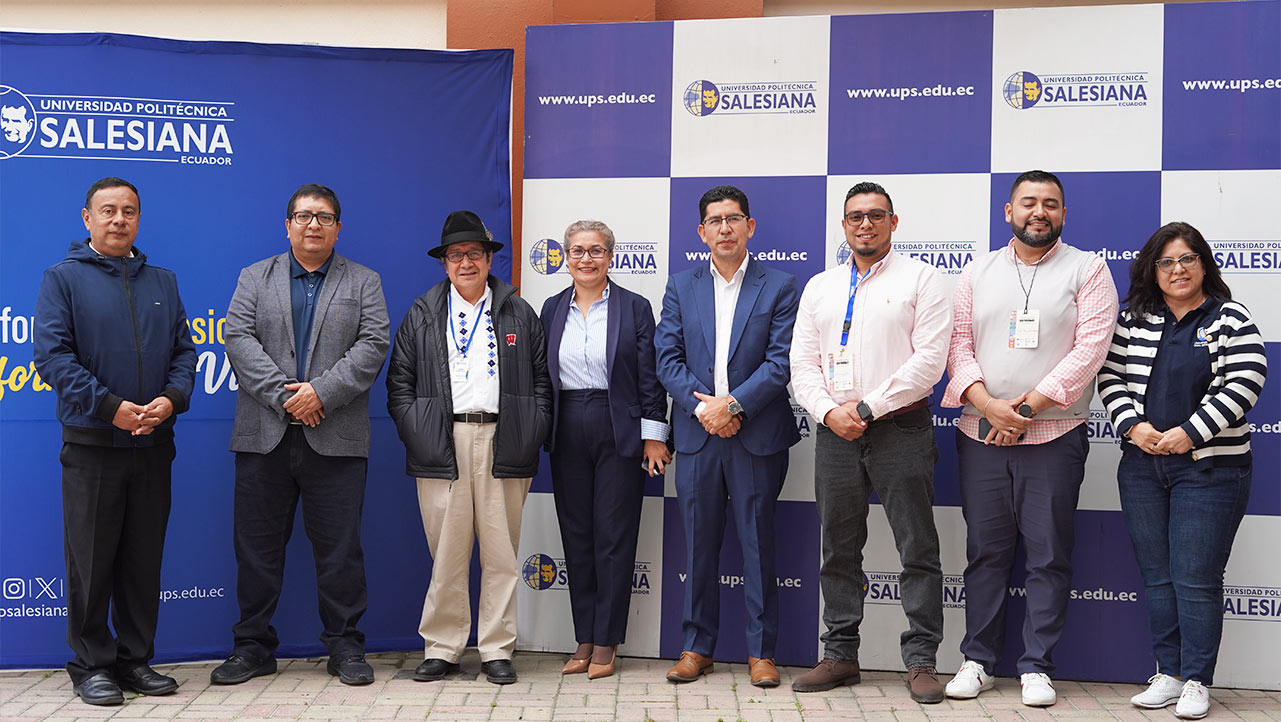
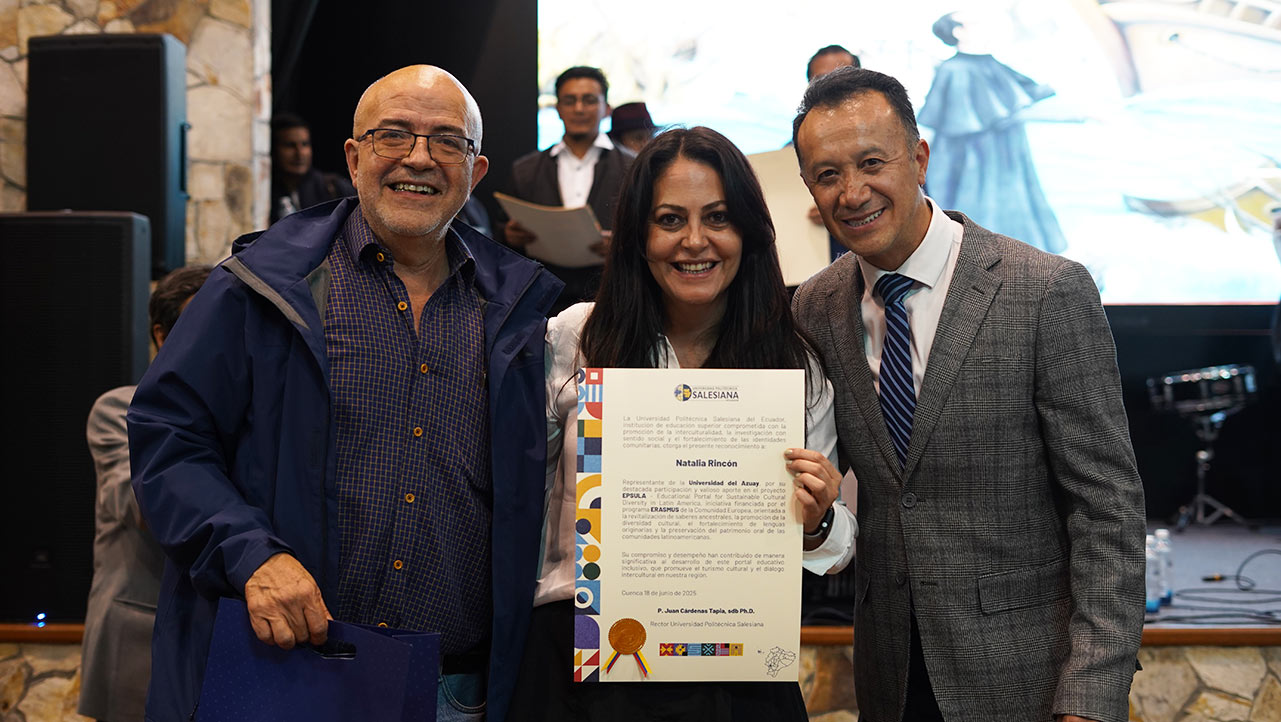
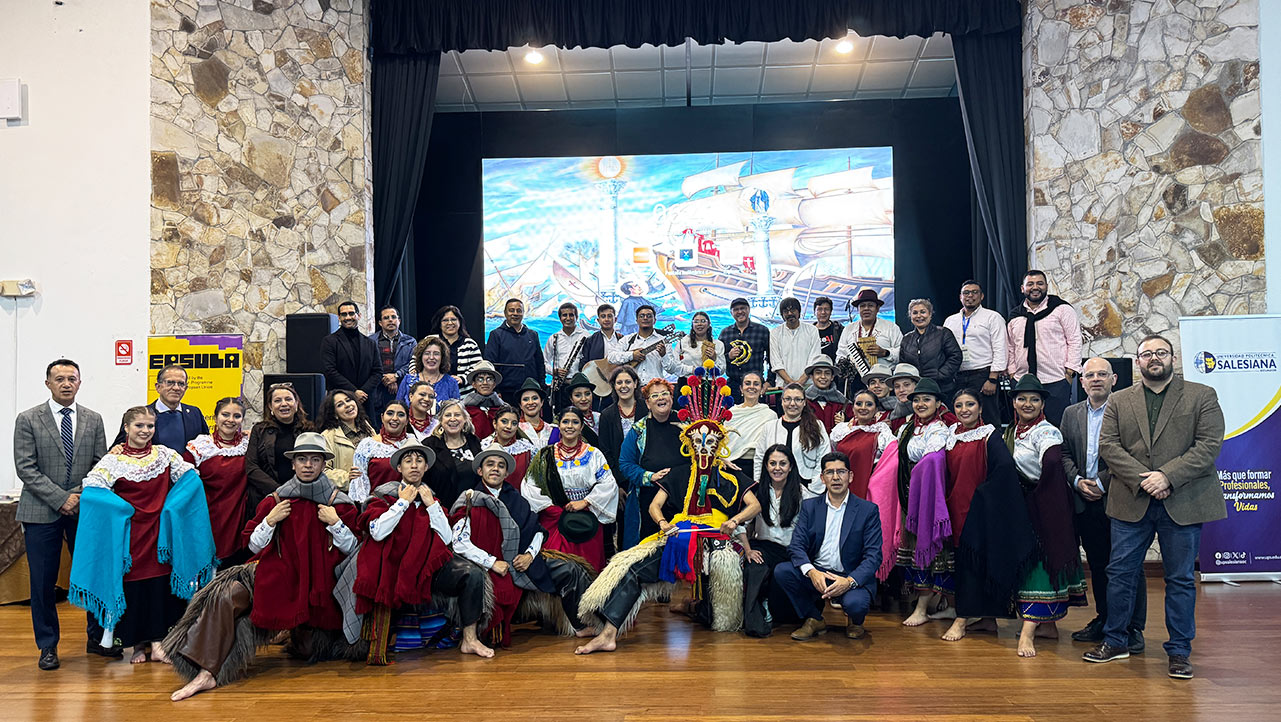
The meeting for the 2025 EPSULA project, held in Universidad del Azuay and our branch campus in Cuenca, brought together seven universities from Europe and Latin America to discuss sustainability, cultural diversity, and the preservation of ancestral knowledge. For three days, professors, Indigenous leaders, and experts exchanged ideas on "Learning from diversity, protecting heritage, and empowering communities." The event, organized in cooperation with Universidad del Azuay, included lectures, roundtable discussions, and a cultural event highlighting Ecuadorian traditions.
Some of the participants were professors our branch campus in Quito: Fernando Garcés and Rommel Lara; along with Blas Garzón Vera and Luz Marina Castillo, from our branch campus in Cuenca. One of the main activities was the roundtable "Education, Culture, and Indigenous communites" moderated by Dr. Garcés, director of the UNESCO Chair on Indigenous Peoples at UPS. Researchers such as Armando Muyolema Calle, Athena Alchazidu (Masaryk University, Czech Republic), Rommel Lara, Ángel Japón (Universidad de Cuenca), and representatives of UNICAES from El Salvador, Noemy Morales and Reynaldo Martínez, addressed topics such as the revitalization of indigenous languages and the role of women in cultural transmission.
There was also a presentation by UNICAES on "The Role of Women in the Preservation of the Nahuatl Language in Sonsonate, El Salvador," as well as a presentation by Dr. Diego Calvopiña (UNACH) on "Quichua as an Element of Cultural Preservation in Tourism." Researchers from the University of Santiago de Compostela (Spain) also presented their progress on collaborative projects.
Attendees visited the UNESCO Chair in Technologies for Inclusive Education and our university’s laboratories. EPSULA (Educational Portal for Sustainability and Cultural Diversity in Latin America) is a project that seeks to revitalize indigenous cultural heritage through international academic cooperation. With the participation of institutions from Ecuador, El Salvador, and Europe, the project strengthens its impact on the protection of diversity and the promotion of more sustainable societies. The event ended with a cultural event and a message of unity and commitment to continue working to preserve ancestral cultures.
Noticias relacionadas
Noticias relacionadas


Follow us
Follow us